
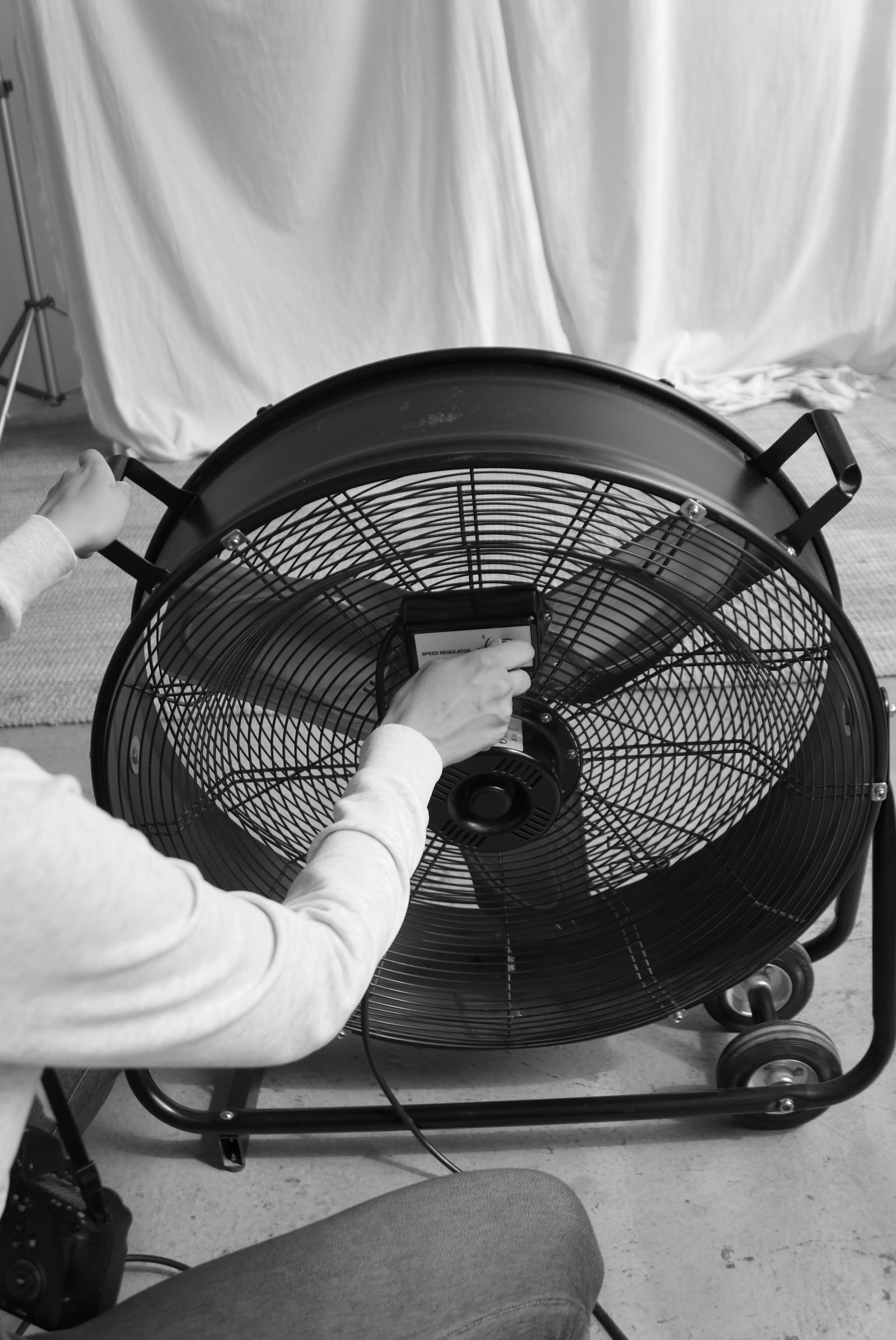
Quick answer: Water mitigation in Clarksville, TN is the work of limiting the damage after a leak or flood: stopping the source, removing standing water, then structural drying of walls, floors and framing with dehumidifiers and air movers. Drying usually runs several days and is checked with moisture meters. Call (931) 208-8559 to reach a local provider.
Water mitigation in Clarksville, Tennessee
This page is for Clarksville, Tennessee, in Montgomery County near Fort Campbell, not Clarksburg, West Virginia. When people search for water mitigation in Clarksville, TN, they usually mean the first steps that keep a water loss from getting bigger: water removal, moving wet contents, pulling soaked pad or baseboards and drying the structure. Call (931) 208-8559 with your ZIP code, what leaked and which rooms are wet.
What water mitigation includes
- Stopping or isolating the source of the water.
- Emergency water removal and extraction of standing water.
- Moving, blocking or removing wet contents.
- Removing materials that cannot be dried, such as soaked carpet pad.
- Moisture mapping, then drying equipment.
- Documentation for your insurer: photos, moisture readings and drying logs.
Mitigation is different from repair. Mitigation limits damage and dries the structure, and repair or rebuild comes after the readings are dry.
Why drying is its own step
Water that is mopped up still sits inside drywall, wood and concrete. Clarksville's summer humidity makes it slower to dry on its own, and trapped moisture leads to mold, warped floors and odors.
Structural drying: what it involves
- Moisture mapping to find wet areas behind walls and under floors.
- Dehumidifiers sized to the space.
- Air movers aimed at wet surfaces.
- Small holes or baseboard removal to vent wall cavities.
- Daily readings until materials hit dry targets.
How long it takes
Often 3 to 5 days for typical rooms. Hardwood, concrete and crawl spaces can take longer. Rushing to put back drywall or flooring before readings are dry is a common cause of mold later. Related: mold and mildew removal in Clarksville.
Drying times and materials: what changes the schedule
| What got wet | What it means for drying | |---|---| | Carpet and pad | Pad is often removed, carpet may be dried in place if the water was clean | | Drywall and insulation | Insulation often removed, drywall dried through small openings or cut out if saturated | | Hardwood over subfloor | Slower, and can cup or buckle if dried too fast or too late | | Concrete and block walls | Hold moisture longest, often the last to reach dry targets | | Crawl space framing and subfloor | Needs airflow and humidity control, see crawl space water damage | Humidity outdoors in Clarksville summers works against drying, which is why equipment, not open windows, does the work.
Water mitigation in Clarksville homes: what is different here
Older homes near downtown and New Providence often have crawl spaces, plaster or older drywall and hardwood over subfloor, which can hide wet areas. Newer homes around Sango and off Tiny Town Road and Trenton Road have more insulated walls and open floor plans, where moisture can sit behind walls and under laminate. Winter freezes can send burst pipes into walls and ceilings, and spring storms can bring water into basements. Some details vary house by house, so a moisture map of your own home is more reliable than a general rule.
Water mitigation for contaminated water
If the water was sewage or floodwater, contaminated materials are removed before drying starts. See sewage cleanup in Clarksville and emergency flood cleanup in Clarksville.
Water mitigation near me in Clarksville
We take calls from across Clarksville and Montgomery County, including 37040, 37042 and 37043, and nearby communities such as Oak Grove, Sango and St. Bethlehem. Drying usually follows emergency water removal and extraction. Availability depends on the providers covering your area at the time you call.
Related water damage help
- Emergency water removal in Clarksville
- Mold and mildew removal in Clarksville
- Emergency flood cleanup in Clarksville
- Sewage cleanup in Clarksville
- Ceiling leak water damage
- Appliance leak cleanup
Areas nearby: water damage restoration in St. Bethlehem, water damage restoration in Oak Grove, KY, water damage restoration in Sango. Back to water damage restoration in Clarksville, TN, with calls taken from ZIPs 37040 to 37043.
When drying is not enough
If materials stayed wet long enough for growth to start, drying alone will not finish the job. See mold remediation in Clarksville, and for businesses, commercial mold remediation in Clarksville.
Water mitigation in Clarksville, TN by ZIP code
This page is written for Clarksville ZIP codes 37040, 37042 and 37043, plus 37044 around Austin Peay. That covers downtown and the older streets near the Cumberland River, Sango and St. Bethlehem, New Providence and the Fort Campbell side of town. Wherever you are, water mitigation follows the same order: stop the source, remove standing water, protect what is still dry, then dry the structure with air movers and dehumidifiers until readings show it is dry. Call now and give your ZIP code, what got wet and how long ago it happened.
Water mitigation vs water removal vs mold clean up
- Water removal gets standing water out. See emergency water cleanup.
- Water mitigation limits further damage and dries the structure. That is this page.
- Mold clean up deals with growth that appears when drying came too late. See mold removal and mold clean up and mold remediation.
- Water damage restoration repairs or replaces what could not be dried. See water damage cleanup and drying.
For related help, see insurance claim guide.
Local insight
Ask for a copy of the daily drying log. It is the record that proves the structure was dried properly.
How it works
- 1
Stop the source
Make sure the leak is stopped and standing water is removed.
- 2
Call (931) 208-8559
Tell us your ZIP code, where the water came from and which rooms are wet.
- 3
Remove and dry
Drying equipment is placed and monitored daily.
- 4
Verify and document
Moisture readings are logged until materials reach dry targets, with photos for your insurer.