
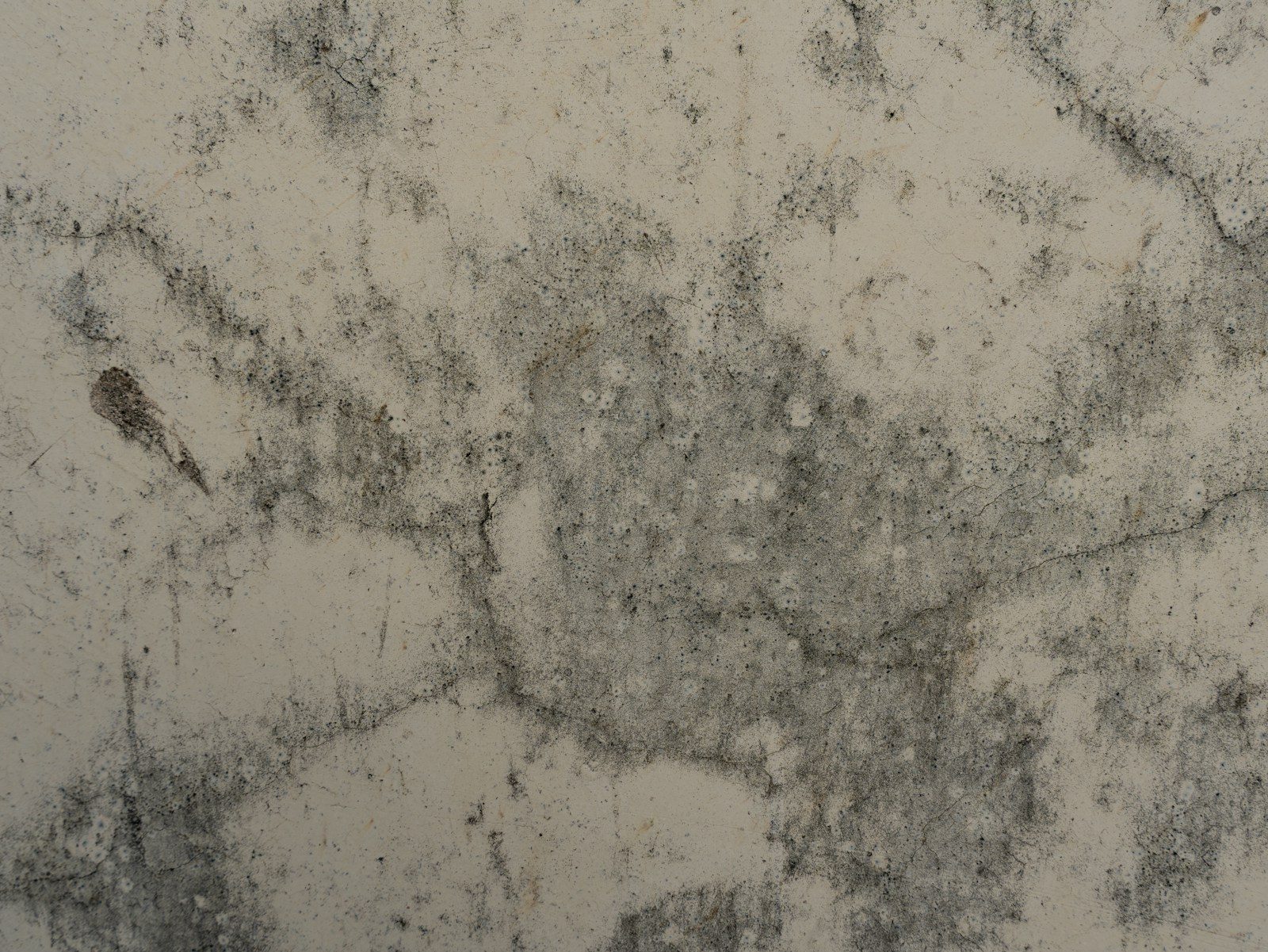
Commercial mold remediation in Clarksville, TN covers mold in offices, stores, restaurants, churches, multi-unit rentals and other business spaces. Unlike a home, a commercial building has tenants, staff, customers, a landlord and often a property insurer, so the plan has to cover more than the mold itself. Call (931) 208-8559 to reach an independent local service provider, and describe the space, where the growth is and what leaked.
Where mold shows up in commercial buildings
Restrooms and break rooms with slow supply leaks, ceiling tiles under flat roof drains, HVAC condensate lines and air handlers, storage rooms where cardboard sits against damp walls, kitchens and walk-in coolers, and lower levels that took on water. In strip centers along Wilma Rudolph Boulevard and Fort Campbell Boulevard and in older downtown buildings, the usual story is a leak that went unnoticed for weeks. If the cause was a recent water event, see commercial water damage in Clarksville.
Why commercial jobs are different
A business cannot always close, so the scope often depends on how the space is used. Work areas may be sectioned off with containment so part of the building can stay in use, and drying equipment may be placed in one zone at a time. Large ceilings, shared air handlers and multiple tenants add questions that a single-family home does not have. Ask the provider how the work area will be separated and how air from that area will be kept away from occupied spaces.
Owners, tenants and property managers
In a leased space, the lease decides who handles what, so notify the landlord or property manager in writing as soon as you see growth. Photograph the whole room before anything is moved, keep receipts and note dates. Property managers with rental homes or apartments near Fort Campbell can call the same line for a unit with mold after a leak. Tenants in a multi-unit building should also tell neighbors on the same wall or stack, since moisture can travel.
What a commercial mold remediation plan usually covers
- Finding and fixing the moisture source, such as a roof drain, supply line or condensate line.
- Setting up containment around the affected area.
- Removing ceiling tile, drywall, insulation or carpet tile with growth.
- Cleaning framing, decking and hard surfaces.
- Drying with equipment until moisture readings are normal. See water mitigation and structural drying.
- Keeping photos, readings and notes for the insurer and the landlord.
HVAC and air handling
Commercial systems can move air, and spores, through a whole floor. Mention it if mold is near a return vent, a diffuser or an air handler. The provider can tell you what has to be sealed off, and an HVAC contractor may need to inspect or clean parts of the system.
Insurance and documentation
Property insurers and landlords usually want dates, photos, moisture readings and a written scope. Many policies cover mold only when it follows a sudden covered loss, often with limits, so contact the insurer early. For help organizing records, see water damage insurance claim help.
Talk it through
Use the contact page or call (931) 208-8559. Related: mold remediation in Clarksville and mold and mildew removal and mold clean up.
Areas nearby: Oak Grove, KY, Fort Campbell area and Springfield. Back to [water damage restoration in Clarksville, TN](/).
See also mold inspection and testing in Clarksville and restoration services in Clarksville.
How it works
- 1
Stop the source
Fix the leak and keep the area closed off.
- 2
Call (931) 208-8559
Share the building type, ZIP code, where you see growth and what leaked.
- 3
Contain and remove
The work area is sectioned off and affected materials are taken out.
- 4
Dry and document
Moisture readings and photos are kept for the insurer and landlord.