
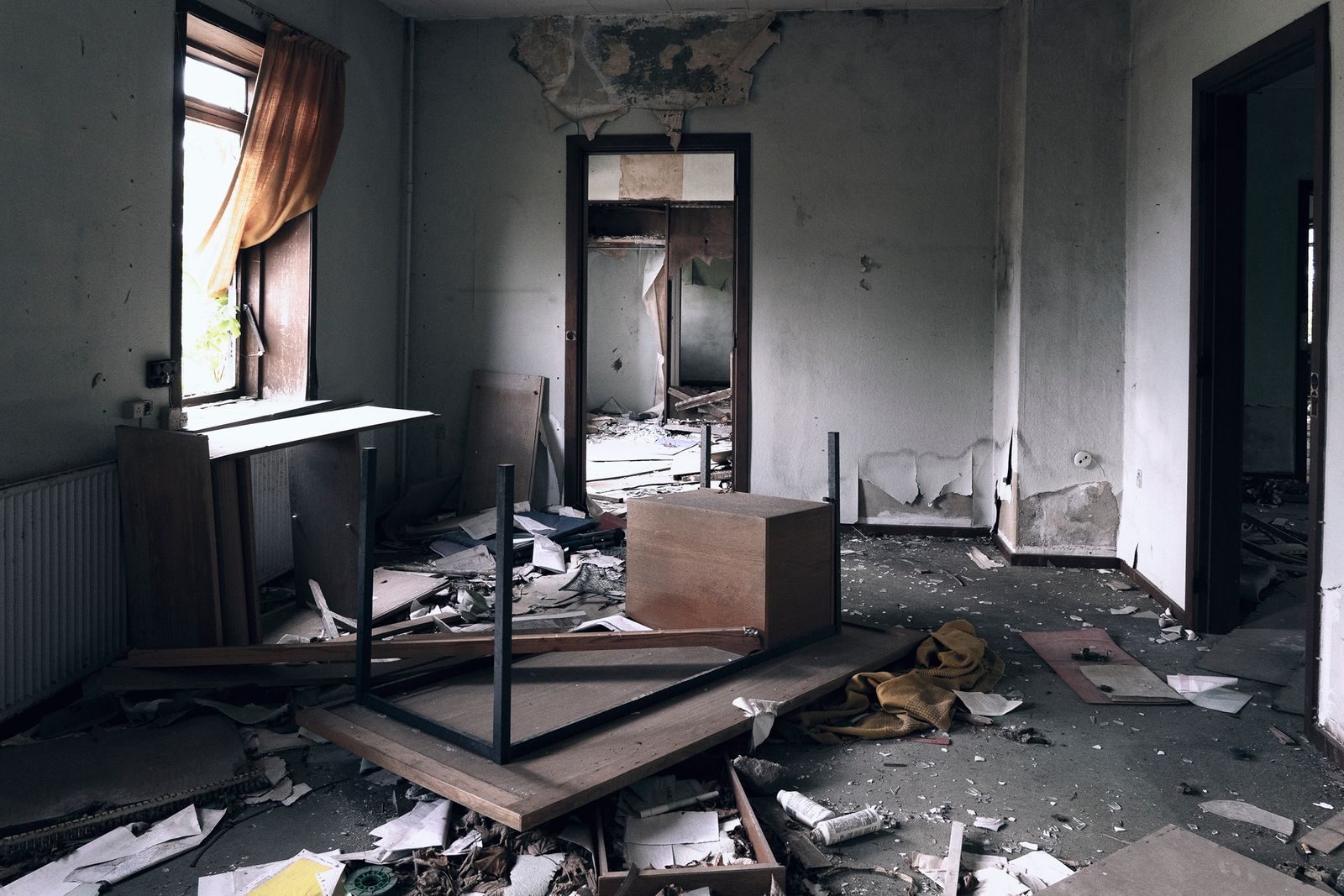
Mold remediation in Clarksville, TN is the controlled process of fixing the moisture behind mold, containing the affected area, removing materials that cannot be cleaned and drying the structure so growth does not return. If you need Clarksville mold remediation after a leak, flood or slow drip, call (931) 208-8559 and describe what you see. The call is connected to an independent local service provider who can talk through what mold remediation would involve in your home.
Mold remediation vs mold removal vs mildew cleaning
These terms get mixed up. Mildew cleaning is wiping a surface film off grout or a window frame. Mold removal is taking out visible growth, often on one wall or in one room. Mold remediation is the wider job: it covers why the area got wet, controlling the spread while work is going on, taking out affected materials and drying until the structure reads normal. If the growth is small and on a hard surface, see mold removal and mold clean up in Clarksville. For mildew and the difference between mildew and mold, see mold and mildew removal in Clarksville.
When mold remediation in Clarksville is usually needed
- Growth covers more than about 10 square feet, the size where the EPA generally suggests professional help.
- Mold is in drywall, insulation, carpet pad, subfloor or framing, not only on tile or glass.
- A crawl space or basement stayed wet after a spring storm.
- The growth followed a sewage backup or floodwater, where contaminated materials come out first.
- Someone in the home has asthma, breathing problems or a weak immune system.
- A musty smell returns after you have cleaned.
How the work is usually scoped
No two homes are the same, so a provider will usually look at a few things before agreeing on a plan: how far the moisture traveled, which materials are affected, how easy the area is to reach and how much containment is needed. A moisture meter or thermal camera reading can show wet areas behind a wall without opening it. Ask what will be removed, how the area will be sealed off from the rest of the house and how the provider will show the structure is dry. Agree on the scope and the cost directly with the provider, and get it in writing before work starts.
Containment and air movement
Containment is the part most people never see. Plastic sheeting and zipper doors keep dust and spores in the work area, and keeping fans off visible growth stops them from being blown through the house. In a home with forced air heating or cooling, vents in the work area are often covered or the system is turned off during the work. If mold may have reached the ductwork or the air handler closet, mention it when you call.
Testing, clearance and insurance
Testing is not always needed. When the water source is known and the growth is visible, remediation can usually start without it. A test can help when you smell mold but cannot find it, or when an insurer, landlord or buyer asks for one. See mold inspection and testing in Clarksville for what a test can and cannot show. Many policies cover mold only when it comes from a sudden, covered water loss, often with limits, so photograph the damage and call your insurer early. Our insurance claim help page lists what to document.
Before you call
Stop the water source, keep the area closed off and do not sweep, vacuum or fan visible growth. Take dated photos. Have your ZIP code ready, along with where you see growth, what leaked and when. When you are ready to talk it through, use the contact page or call (931) 208-8559.
Related help
- Mold and mildew removal in Clarksville
- Mold removal and mold clean up in Clarksville
- Mold inspection and testing in Clarksville
- Restoration services in Clarksville
- Commercial mold remediation in Clarksville
- Water mitigation and structural drying
- Crawl space water damage
Areas nearby: Sango, Springfield and the Fort Campbell area. Back to [water damage restoration in Clarksville, TN](/).
How it works
- 1
Stop the source
Fix the leak and keep the area closed off.
- 2
Call (931) 208-8559
Share your ZIP code, where you see growth and what leaked.
- 3
Contain and remove
The work area is sealed off and affected materials are taken out.
- 4
Dry and verify
Moisture readings are logged until materials reach dry targets.